The job of the first text
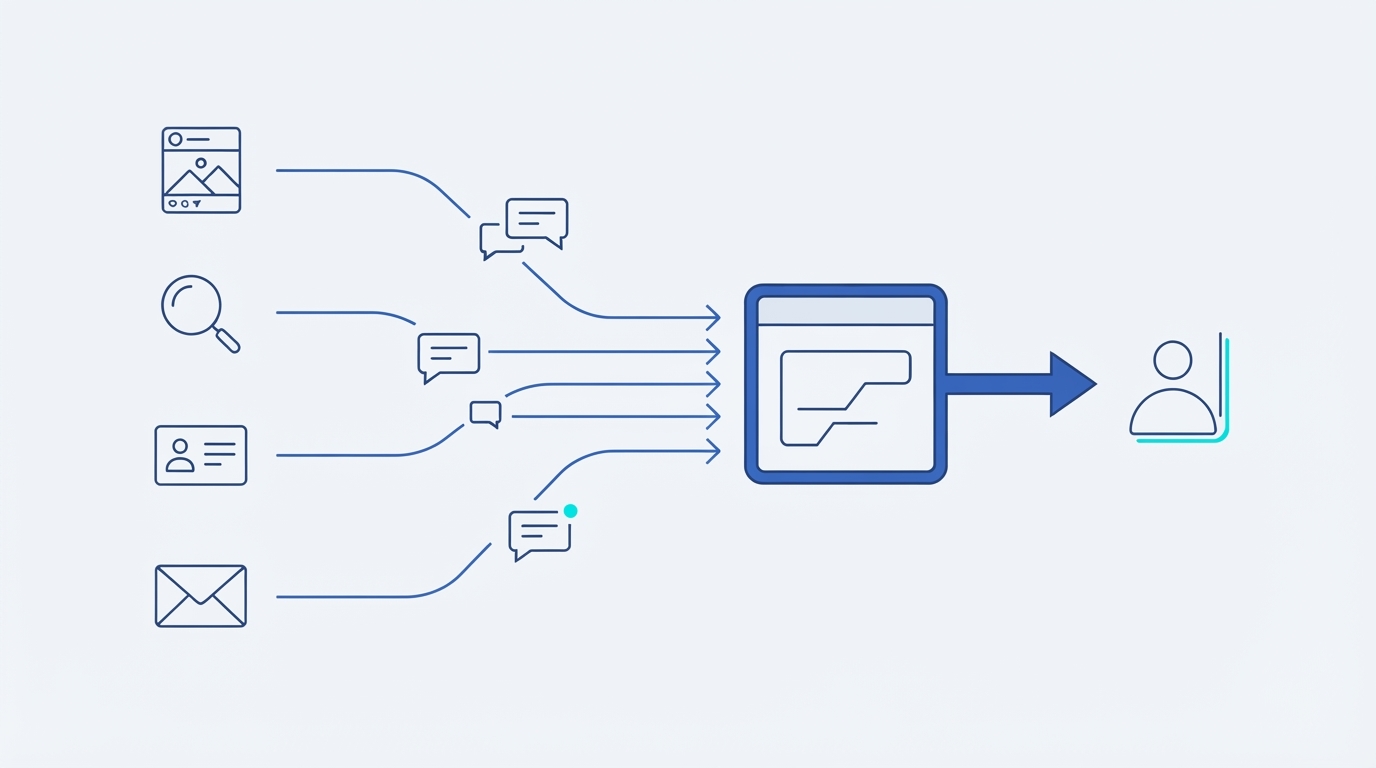
The first text has one job. Get a reply. That is it. It is not trying to qualify the lead, set an appointment, or explain what you do. All of that happens after the lead talks back to you.
When you forget this, you write a first message that tries to do everything, and it does nothing. The lead reads a paragraph, feels like responding would be work, and does not respond. You have lost them before the conversation started.
So measure your first text by one standard. Did it get a reply. If the answer is usually no, the message is doing too much, not the lead being difficult.
Why long first messages fail
A long first message fails because it asks the lead to read and then decide. A person who filled out a form thirty minutes ago is not in a reading mood. They are in a glancing mood.
Every extra sentence is a chance for them to put the phone down. Every question you stack on top of another question is a reason to defer the reply until later, and later usually means never.
Short wins because it is easy to answer. The lead does not have to think hard or type much. A one line reply keeps the door open, and once the door is open you can walk the conversation wherever it needs to go.
The just checking in family gets ignored
There is a category of first message that feels polite but does nothing. Just checking in to see if you are still interested. Wanted to follow up and see if you had any questions. Hi, reaching out about your request.
These get ignored because they put all the work on the lead. You are asking them to remember what they filled out, decide if they are still interested, and then come up with something to say. That is a lot to ask of a stranger on a couch.
A good first text does the opposite. It gives them an easy yes or no, or an easy either or. It hands them a reply they can send without thinking. That is the whole trick.
Identify yourself without a paragraph
You do need to say who you are and why you are texting. The lead may not remember the form. But you can do that in one short clause, not a bio.
Name, who you work with, and the reason you are reaching out. That is enough. The lead does not need your NMLS number, your years in the business, or your tagline in the first message. Those things do not earn a reply. They earn a scroll past.
Save the credibility for the conversation. The first text just needs to not feel like spam, and to give the lead a way to respond.
Ask one question, and make it easy
One question beats three. Every time. When you ask three questions, the lead has to hold all three in their head and answer them in order, and most people will not bother.
And the question that is easy to answer beats the question that is important to you. You might want to know if they are pre-approved. But that is a hard question for the lead to answer and it makes them feel judged. Are you buying or refinancing is easy, and it gets them typing.
Get the reply first. Then earn the right to ask the harder questions. The first text is not where you qualify. It is where you start.
A few examples
Hi, this is the assistant working with Mike. You put in a request on Zillow, are you buying or refinancing?
Why it works. It says who, references the form so they remember, and asks one easy either or question.
Hey, saw you reached out about a mortgage. Quick one, are you already under contract or still looking at homes?
Why it works. It is short, and the question is something any buyer can answer without thinking, which keeps them in the conversation.
Hi, following up on your request. Is mornings or afternoons better for a quick call this week?
Why it works. It skips the qualifying small talk and goes straight to an easy scheduling choice, which is useful once you already know they are engaged.
Hey, you filled out a form about refinancing. Still thinking about it, or has something changed?
Why it works. It is honest, low pressure, and gives them permission to say not right now, which is still a reply you can work with.
Timing, nights, and weekends
When you send the first text matters as much as what it says. A lead that came in at 8pm is best reached at 8pm, not the next morning. The intent is warmest right after they submit.
If you cannot text at night, an automated first response can. The point is that someone should reach the lead in the same window the intent is live, even if that someone is a system and not you.
On weekends the same rule applies. A Saturday afternoon lead answered Saturday afternoon is a different conversation than the same lead answered Monday morning. The lead has not changed. Their readiness has.
Second and third attempts
If the first text gets no reply, do not send the same message again. That looks like a bot. Send something slightly different, a day or two later, that gives them a new easy way in.
A good second attempt references that you reached out before and offers a small choice. Hey, reached out a couple days ago about your request. Still worth a quick chat, or no rush right now?
A third attempt can be shorter and more direct. Hi, last note from me on this. If you want to talk mortgages I am here, if not no worries. This respects their time and leaves the door open without nagging.
After that, let it rest and come back to it as part of a longer follow-up sequence rather than hammering the same lead every day. Persistence is not the same as pressure.
Compliance basics
A few rules that are not optional. If a lead texts back STOP or any opt out word, stop texting that lead on that channel immediately and keep a record that they opted out.
Do not send messages at odd hours. Late night and very early morning texts feel intrusive and can create compliance problems even when the intent is fine. Keep outreach to reasonable business hours for the lead's time zone.
Keep a record of consent. Know where each lead came from and that they agreed to be contacted. If you are using a system to send the first text automatically, make sure it honors opt outs the moment they come in, not the next time a human checks.